Why Bringing in a Residential Electrician Is Important for Home Safety!
Hiring a residential electrician is crucial for guaranteeing home safety. Many property owners downplay the intricacies of electrical systems. DIY attempts can result in severe hazards, such as power-related blazes or electrical injuries. Licensed electricians bring vital expertise, ensuring adherence to local regulations and security protocols. The implications of ignoring correct electrical installation can be catastrophic. Understanding the importance of professional help can make a significant difference in home security. What specific advantages can these experts provide?
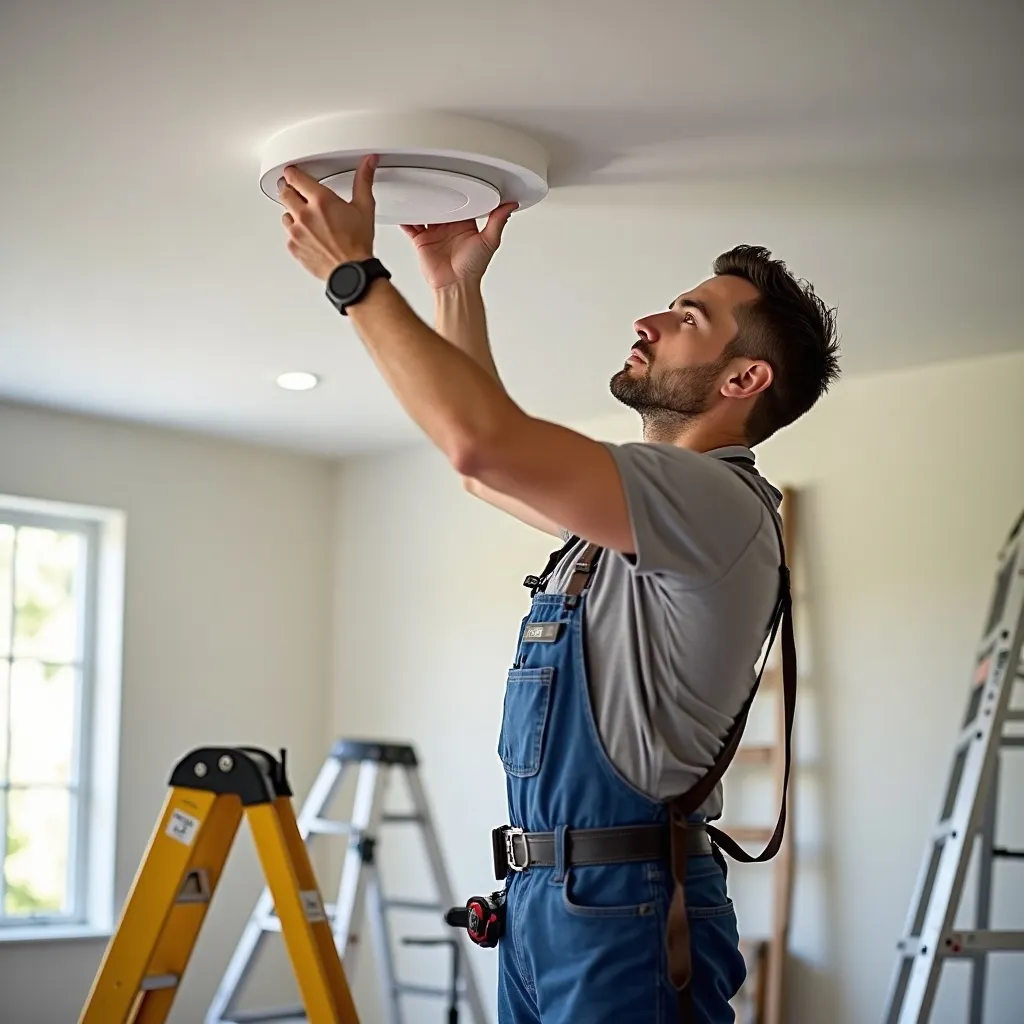
Comprehending the Hazards of Do-It-Yourself Electrical Work
Attempting DIY electrical work may seem appealing to house owners attempting to save money, yet it carries substantial risks. Many people underestimate the complexity of electrical systems, often leading to incorrect setups or fixes. This shortage of expertise can produce power failures, fires, or electrocutions, jeopardizing both the resident and their home.
Additionally, DIY undertakings might not meet local building codes, potentially creating legal complications or costly fines.
Additionally, without the adequate tools and safety gear, homeowners may create danger of hazardous situations. Even deceptively straightforward work, such as replacing a light fixture, can have unforeseen complications if not executed correctly.
The risk of long-term damage to the home's electrical system is also a issue.
The Experience That Keeps Your Home Protected
For home safety, the expertise of a residential electrician proves essential.
They execute detailed safety examinations, guaranteeing all systems are operating correctly and comply with regulatory standards.
Furthermore, their command of code compliance and proficient diagnostic capabilities prevent potential dangers before they develop into serious concerns.
Thorough Safety Inspections
A detailed safety assessment executed by a licensed residential electrician is crucial for maintaining a protected home setting. During this procedure, electricians inspect electrical systems, electrical outlets, and electrical panels to identify potential hazards.
They inspect for outdated components that may pose fire risks or lead to electrical failures. Additionally, they review the grounding and bonding systems to verify they meet safety standards.
By identifying issues such as overloaded circuits or faulty wiring, electricians provide homeowners with practical recommendations to reduce risks. These inspections not only improve safety but also boost energy efficiency, potentially reducing utility bills.
Ultimately, regular safety inspections protect both the home and its residents, ensuring a dependable electrical setup that functions efficiently.
Code Compliance Confirmation
Code compliance assurance represents a core element in maintaining the safety and reliability of residential electrical systems.
Expert electricians display understanding of local, state, and national electrical codes, which are instituted to preserve homeowners from potential hazards. These codes embrace various aspects, such as wiring methods, circuit protection, and grounding techniques, all paramount for safe operation.
By following these regulations, electricians minimize the risk of electrical fires, shock hazards, and system malfunction. Moreover, regulatory adherence is typically a necessity for homeowner's insurance and can affect property value.
Homeowners who invest in a licensed electrician verify that their electrical installations meet necessary standards, granting peace of mind and a more protected home.
Skilled Technical Proficiencies
Electrical systems might face issues despite observing safety codes. When difficulties surface, expert diagnostic skills become required.
Residential electricians possess specialized training and experience that enable them to identify problems quickly, often before escalation into serious dangers. Their capacity to evaluate complex wiring systems and pinpoint problems ensures that homeowners are not uninformed—literally and figuratively.
These knowledgeable professionals implement high-tech equipment and strategies to uncover electrical defects, whether it's a flickering light or a activated breaker switch. By addressing these matters without delay, they not only restore proper performance but also maximize the overall safety of the home.
In the end, depending on a skilled electrician for troubleshooting is a proactive step toward protecting both residents and property.
Selecting the Ideal Residential Electrician
Selecting the right residential electrician demands thorough evaluation of multiple important criteria.
Residential owners should verify credentials and licenses to confirm compliance with local regulations.
Furthermore, evaluate the electrician's qualifications and skills, and request detailed estimates for transparency.
These actions help in making an informed decision that highlights quality and safety.
Validate Credentials And Licenses
Before engaging a residential electrician, it is crucial to confirm their credentials and licenses to ensure compliance with local regulations and industry standards. This step guarantees that the electrician has undergone the necessary training and possesses the knowledge required for safe and effective electrical work.
Validating proper licensing shields homeowners from potential liabilities and guarantees that the electrician observes safety protocols. Additionally, confirming credentials can help pinpoint professionals who stay updated on the latest industry practices and technologies.
Homeowners should request proof of insurance and verify that the electrician holds any necessary credentials. Implementing these measures not only improves security but also fosters trust in the dependability and caliber of the electrical services provided.
Analyze History And Expertise
Assessing the experience and expertise of a home electrician is important for delivering quality results. A proficient electrical technician typically brings a substantial knowledge base accumulated over years of hands-on experience. This training empowers them to address diverse electrical applications and troubleshoot issues effectively.
Potential clients should inquire about the electrician's specific areas of expertise, such as residential wiring, lighting installations, or electrical repairs. Furthermore, learning about the kinds of projects they have previously completed can offer understanding of their capabilities.
Testimonials and reviews from previous clients can also function as valuable resources in determining service quality and dependability. By thoroughly evaluating an electrician's experience and expertise, homeowners can make informed decisions that prioritize safety and effectiveness.
Seek Comprehensive Estimates
What can property owners do to guarantee they get fair pricing and quality service when engaging a residential electrician? A proven approach is to request detailed estimates from multiple electricians.
This method not only helps with evaluating costs but also provides insights into the scope of work involved. Homeowners should confirm that estimates contain labor, materials, and any additional fees. A transparent estimate reflects the electrician's professionalism and openness to discussing details.
Furthermore, it permits homeowners to question any ambiguous charges, promoting a better understanding of the project. By obtaining several estimates, homeowners can make informed decisions, thereby ensuring they employ a competent residential electrician who satisfies their needs while adhering to safety standards.
Leading Electrical Challenges Properly Addressed by Specialists
If electrical issues develop in a home, it's important to understand which concerns require professional expertise. Typical electrical problems that should be delegated to certified electrical experts consist of frequent circuit breaker trips, which may reveal overloads or faulty wiring.
Flickering lights can signal greater issues, such as faulty links or aging electrical infrastructure. Additionally, outlets that feel warm or emit a burning smell pose significant fire hazards and must be examined immediately.
Another concern is the installation of new electrical fixtures or systems, which often requires adherence to local safety standards and codes. Homeowners should also seek professional help for any electrical work involving the main service panel, as mistakes in this area can result in dangerous situations.
Why Code Adherence Is Indispensable for Safeguarding
Making sure that electrical work adheres to code compliance is essential in protecting safety within residential environments. Electrical codes are put in place to decrease hazards such as fires, electrocution, and property damage. These regulations are created based on extensive investigation and industry standards, reflecting the latest protective standards.
When homeowners hire a residential electrician, they benefit from the professional's expertise in managing these codes, ensuring all installations and repairs are compliant.
Failure to comply can cause risky circumstances, including faulty wiring and insufficient electrical grounding, which may not only create hazards to inhabitants but also impact policy protection. Additionally, properties that do not meet code standards can incur penalties or complications during real estate transactions.
In the final analysis, adhering to electrical codes is vital for safeguarding lives and property, stressing the importance of retaining qualified electricians for all electrical work.
Realize Enduring Savings Through Professional Installations
Investing in professional electrical installations can yield considerable future financial benefits for homeowners. Trained electrical experts assure that all circuitry and electrical systems are installed correctly, lowering the probability of costly repairs and replacements due to defective installation. By adhering to safety codes and using high-quality materials, professionals reduce the danger of hazardous electrical situations, which can lead to substantial financial loss or even fire.
Moreover, efficient energy systems can lower utility bills over time. For instance, upgrading to energy-efficient lighting and appliances can result in significant reductions on electricity costs. Additionally, professional electricians can provide guidance on optimizing electrical systems for better efficiency.
Ultimately, although the early expense of hiring a competent electrician may appear higher than a DIY method, the long-term benefits—like lower repair costs and lower energy bills—substantially exceed the upfront outlay.
Homeowners can maintain their savings and properties by prioritizing licensed electrical work.
The Peace of Mind That Results From Professional Solutions
Peace of mind frequently accompanies the option to engage a professional electrician. Homeowners can feel at ease knowing that their electrical systems are in the hands of experienced specialists who grasp the complexities of wiring, circuits, and safety regulations.
Certified electricians have the necessary certifications and experience to recognize potential hazards, ensuring that installations and repairs adhere to safety regulations.
Additionally, hiring a skilled decreases the risk of electrical malfunctions that could lead to hazardous conditions such as fire hazards or electrocution. The assurance that a qualified individual has handled the work allows homeowners to concentrate on their daily lives without being anxious about potential hazards.
In addition, many professional electricians provide warranties for their services, further strengthening the sense of security.
Ultimately, relying on a qualified electrician not only protects the home but also establishes a worry-free atmosphere, allowing households to flourish without the burden of unresolved electrical issues.
Common Inquiries Asked Regularly
How Can I Spot a Qualified Residential Electrician?
To find a qualified residential electrician, one should check for adequate licensing, coverage, and credentials. Additionally, reviewing internet reviews and requesting referrals from acquaintances can help assure the electrician's reliability and expertise.
What Are the Warning Signs of Electrical Faults in My Home?
Signs of electrical problems consist of flickering lights, tripped circuit breakers, warm outlets, smells of burning, and switches with discoloration. Strange sounds from outlets or appliances may also indicate possible problems demanding immediate attention from a licensed electrician.
How Regularly Should I Have My Electrical System Inspected?
Property owners should arrange for electrical system inspections every three to five years. Periodic assessments help identify potential issues early, preserving safety and efficiency while reducing exposure associated with outdated or faulty electrical components in the home.
Is It Possible for Me to Conduct Minor Electrical Maintenance Myself?
While small electrical jobs may seem manageable, it's recommended to consult a professional. Insufficient detailed guide knowledge can result in safety hazards, potential code violations, or expensive repairs, emphasizing the necessity for expert assistance for electrical tasks.
What Would I Undertake in Case of an Electrical Disaster?
When facing an electrical situation, you must swiftly turn off the power at the circuit breaker, keep away from live wires, and summon a qualified electrician for professional help. Safety should always be the top priority.